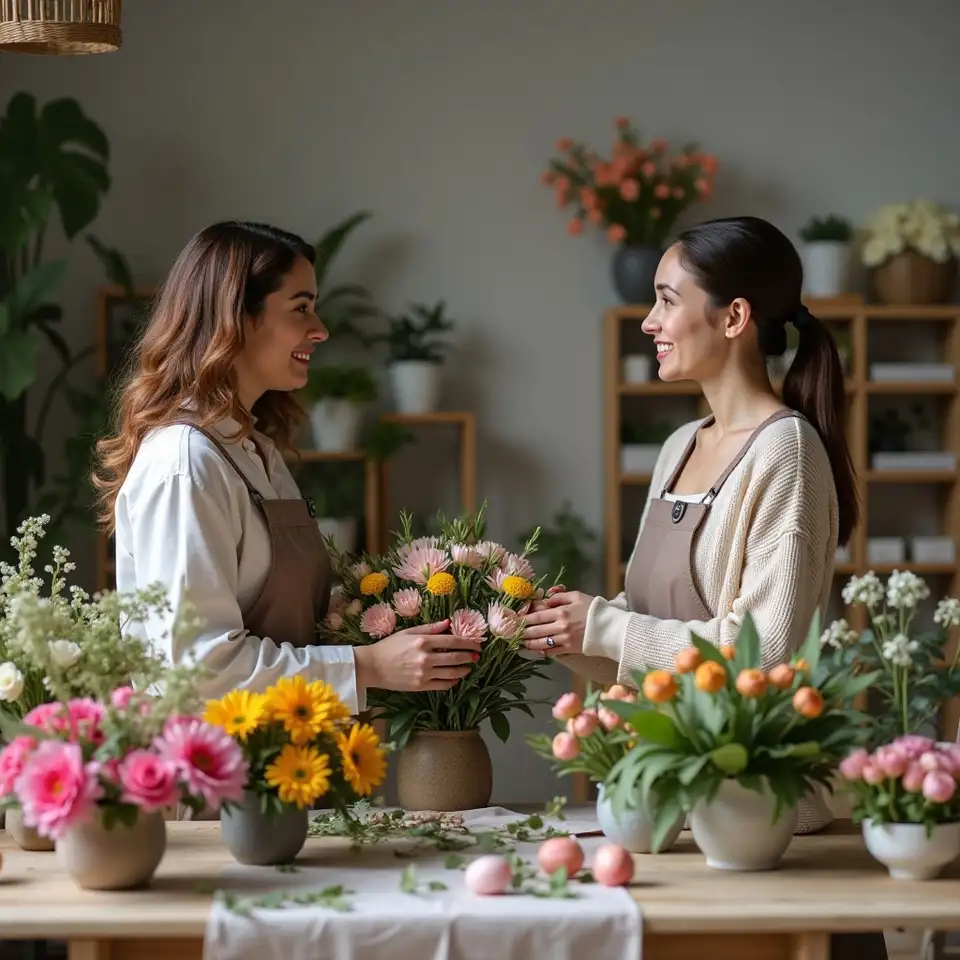
Bouquets and flower compositions that fit real moments
We come to this page when we have a moment to mark and want flowers that feel like they
belong to it. Instead of endless scrolling, we organise our bouquets and compositions by
format, mood, and setting. You can see how a hand-tied bouquet compares to a hat box,
when a basket makes more sense than a vase, and which options travel better across the
city. No fixed scripts, just clear explanations so we can choose something that suits
our plans and comfort level.
Clear structure
We group bouquets by purpose, space, and character, so we can quickly see which formats make sense for our occasion.
Practical choices
We balance aesthetics with transport, care, and venue rules, choosing flowers that look good and behave predictably.
Personal focus
We adjust colour, size, and detail to the person receiving the flowers, keeping the gesture personal and grounded.
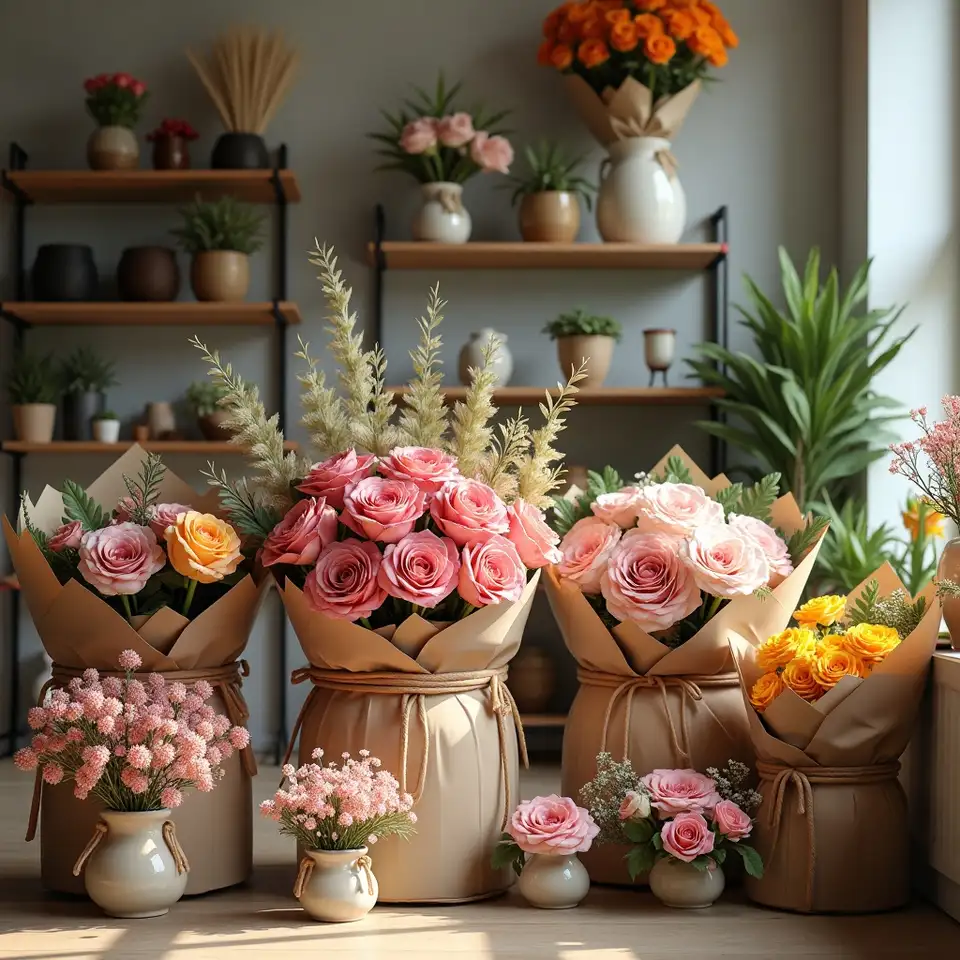
Main bouquet and composition categories we work with
We think in categories because it makes choosing simpler. Instead of scrolling endlessly, you can decide who the flowers are for, where they will live, and what feeling you want to create. From there, we match you with a short list of bouquet types that fit your situation and refine details together.
Bouquets designed with her style in mind
When we choose bouquets for her, we look at more than favourite colours. We ask about personal style, whether she prefers clean lines or soft shapes, and how she usually decorates her home or workspace. From there, we suggest hand-tied classics, romantic mixes, or modern monobouquets that feel like an extension of her everyday taste rather than a random surprise.
Considered flowers chosen for him
02For him, we often lean into structure, texture, and restrained palettes. That might mean architectural greens, fewer varieties, and a clear, graphic silhouette that feels confident rather than ornate. These bouquets work well for birthdays, professional milestones, and thank you moments where you want flowers to feel grounded and intentional.
Classics for everyday and formal gifting
03Classic bouquets focus on balance and familiarity: rounded shapes, comfortable colour stories, and flowers people recognise at a glance. They suit almost any occasion, especially when you want the gesture to feel warm and clear. Our classic line is where we start if you are unsure, then we adjust details to match age, season, and setting.
Author’s and monobouquets with character
04Author’s bouquets and monobouquets lean more expressive. We treat them as small studies in form and colour, building either around one flower type or a striking combination. These work for design lovers, creative professionals, and events where you want flowers to act as a subtle focal point without overwhelming the space.
Boxes, baskets, and ready vase arrangements
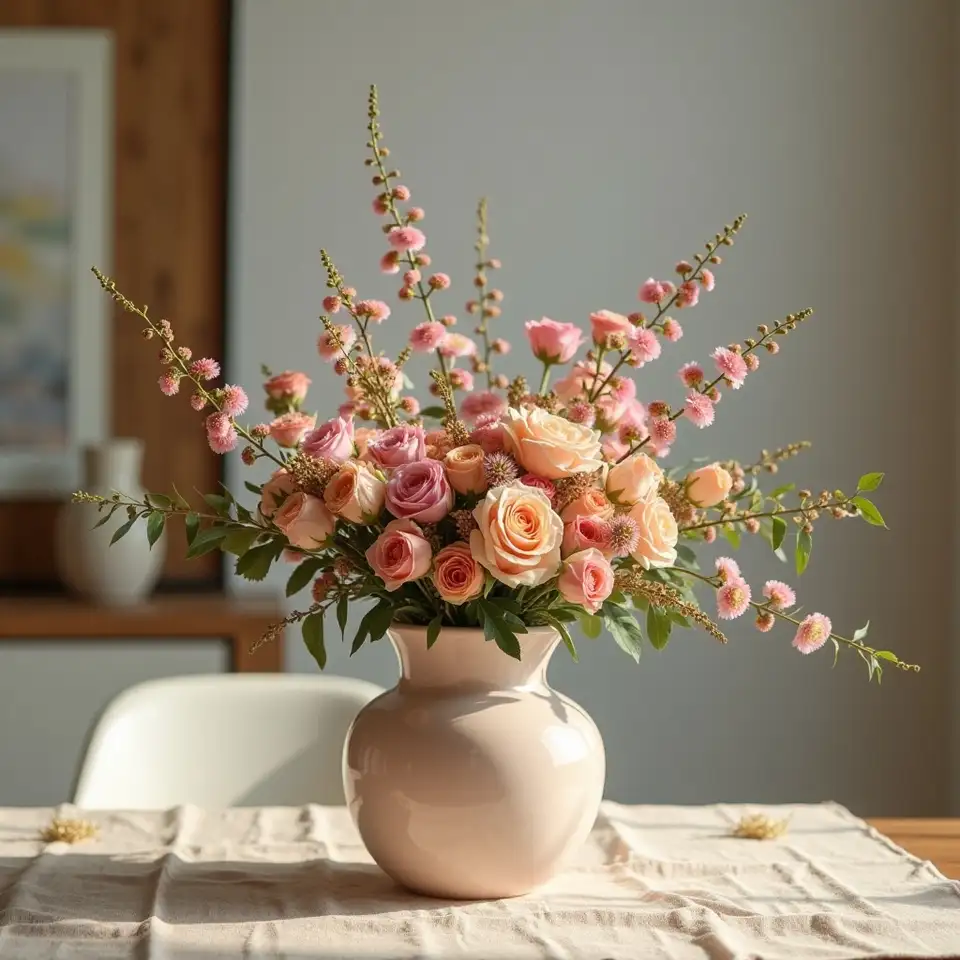
Boxes, baskets, and vase compositions come with their own base, so you do not need to search for a container on arrival. We plan them specifically for tables, consoles, reception desks, and ceremony spaces, considering viewing angles and movement around them. This makes them ideal for shared spaces and longer gatherings.
Flagship bouquets
We notice most of us start with a vague idea: something romantic, something calm, something that will not overpower a small room. That is why we group our flagship bouquets by character. Classic hand-tied designs feel balanced and familiar, perfect when we want to say thank you or congratulations without guessing too hard. Author’s bouquets lean more experimental, with unexpected textures and shapes that suit people who enjoy design, art, or simply like being surprised. Monobouquets focus on a single flower type, highlighting its structure and tone in a quiet, confident way. For events and shared spaces, we suggest vase compositions that are built to sit on a table, counter, or console from the start, taking light, viewing angles, and movement around them into account. Each type can be tuned to age, season, and setting, so the flowers feel like they belong exactly where they land.
Romantic focus
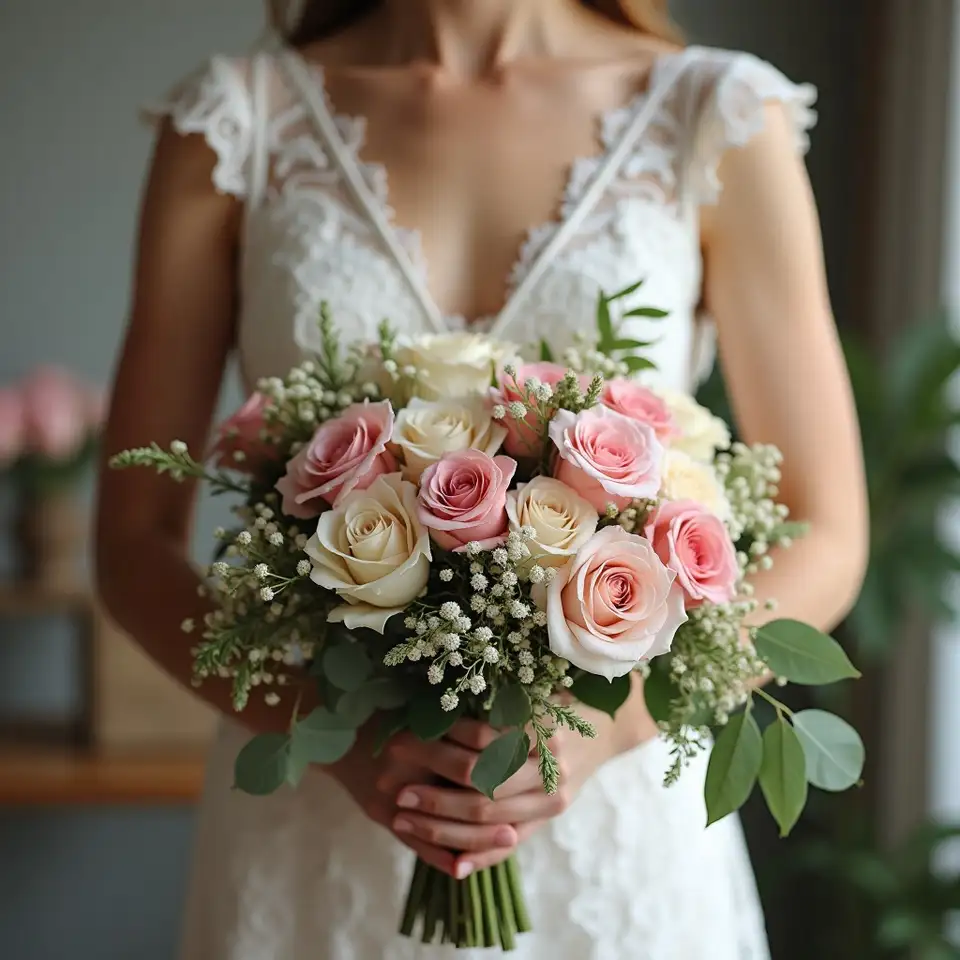
When we think about romantic bouquets, we picture soft transitions between
colours, layered petals, and movement that feels natural rather than rigid. Our
romantic line often blends roses, ranunculus, and airy filler flowers with
gentle greenery, creating a bouquet that reads well both in person and in
photos. These designs suit proposals, anniversaries, and weddings, but also
quiet personal milestones you want to mark without a big announcement. For
someone who prefers a more minimal look, we can simplify the palette and
structure, keeping the feeling intimate while reducing volume. Because romantic
bouquets are so tied to mood, we pay close attention to season, choosing stems
that open gracefully instead of collapsing quickly.
Florist tips for choosing the right bouquet
We buy bouquets to mark specific moments, yet we often choose them in a rush. A few simple
checks can make the difference between flowers that feel slightly random and ones that feel
quietly perfect for the day.
Match bouquet size to real space
Space
We sometimes choose bouquets only by how they look in photos, then realise they do not quite work in the actual room. To avoid that, we pause and map the space first. Is the bouquet going on a dining table, a narrow console, or a busy reception desk? Will people see it from all sides or mostly one angle? How close are doors, radiators, or direct sun? Once we know this, we can decide whether a hand-tied bouquet in a vase, a compact box, or a low basket will behave better in that setting and stay safe from drafts, heat, or constant bumps.
Note setting
Check light
Confirm surface
5 minutes
Low
Choose for the person, not the trend
Person
We worry about choosing the wrong style for someone we care about. A simple way around that is to think of their wardrobe and home. Do they wear neutrals or bright tones? Is their space minimal, cosy, or eclectic? Are there flowers they clearly dislike or allergies we need to respect? With a few honest notes, we can guide the florist toward classic, romantic, or modern options that feel aligned with that person’s taste, rather than relying on generic gender stereotypes or trends that might not land well.
Ask colours
Note style
Avoid triggers
10 minutes
Low
Think season and timing through
Season
We sometimes fall in love with inspiration photos from a different season or climate. Flowers do not always behave the same way in Canadian weather, especially during temperature swings. Before we commit, we check the calendar and talk through which stems are at their best around our date. We also consider how long the bouquet needs to last and whether it will face travel or outdoor time. That helps us adjust recipes, choosing varieties known for better resilience at that moment, and setting realistic expectations about how the bouquet will open and age.
Check date
Ask season
Plan care
15 minutes
Medium
Define the feeling you want
Mood
We often try to say too many things at once with a single bouquet. To keep the message clear, we start by naming one main mood: calm, joyful, romantic, or formal. Then we choose a compact colour palette that supports that feeling and stick to it. Calm might mean softer neutrals and gentle transitions, joyful might lean brighter with more contrast. By limiting both mood and palette, we give the florist a focused brief, which usually results in a bouquet that feels intentional and emotionally accurate.
Define mood
Limit palette
5 minutes
Low
Comparing popular bouquet and arrangement formats
| Key aspects | Peloriavexa | Hand-tied bouquet | Hat box arrangement |
|---|---|---|---|
| Easy to present and hold | |||
| Built-in base and support | |||
| Strong first impression impact | |||
| Best for compact room settings | |||
| Flexible for different vase styles |